

Anotherhood: What We Make When We Don’t Make Children
& recipes for a spring broth and earthy gazpacho.

It usually takes about 90 seconds for the questions to arrive:
Where are you from?
Are you married?
Do you have children?
I’ve come a long way in understanding that these questions are not asked because people genuinely care to know you. If they did, they would ask the accessible but slightly more interesting, “what do you do for fun?” or “what’s your favorite dish?” Questions that at least attempt to pry behind your eyes.
These husband and baby questions fall under the category of orientation. A way of locating you as a woman, as a body, as a person with a womb. They place us through the patriarchal basics of ownership and lineage.
The eldest daughter syndrome.
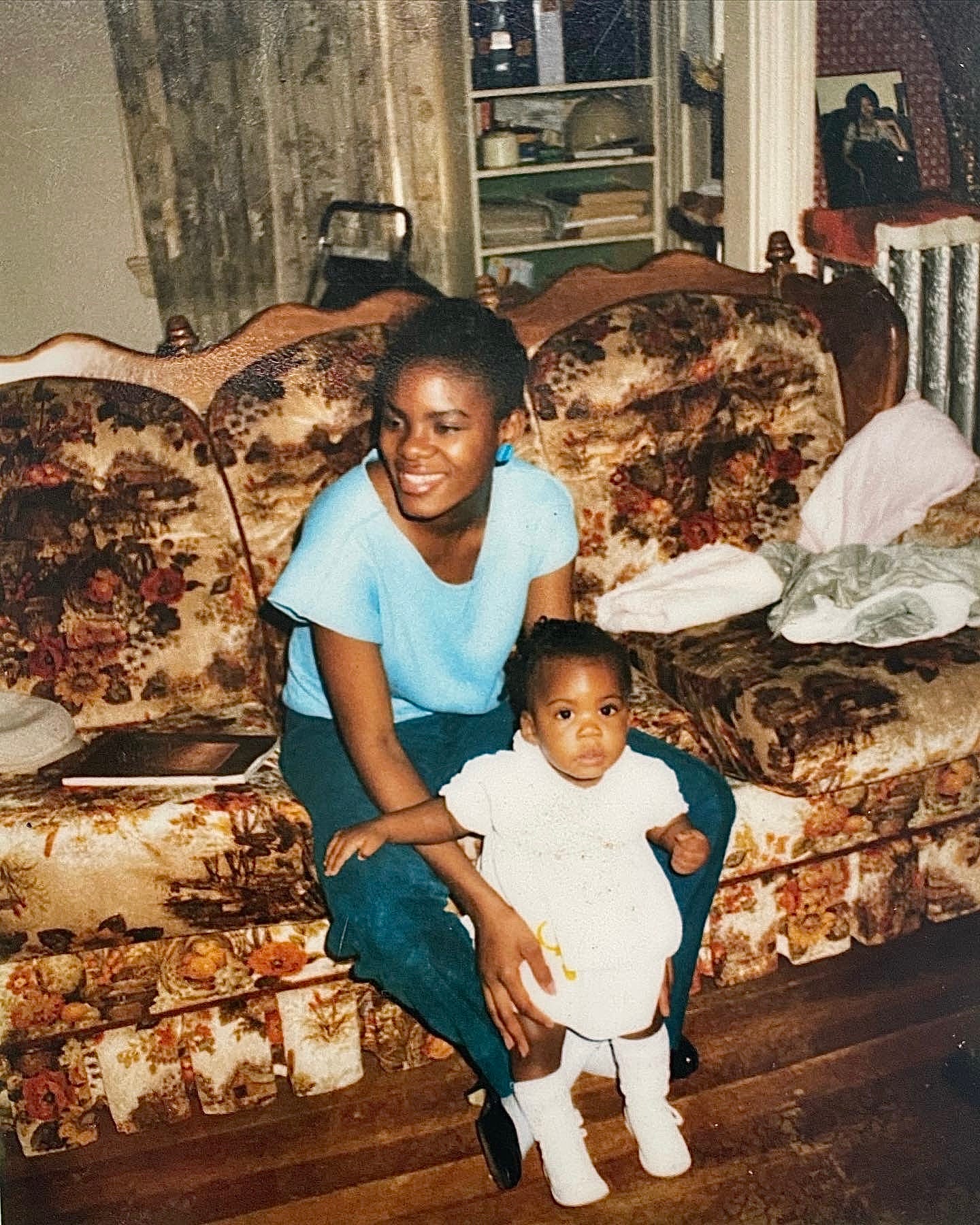
So for orientation purposes, I’ll disclose that I am the eldest of six girls across both sides of my family. A total of five younger sisters—three of whom I helped raise. Because of them, I learned how to change diapers, warm bottles, burp, bathe, and support the soft, unsteady turtle like neck of a newborn. All before the age of eight. Caring for children is weirdly muscle memory for me. Repetitive and expected.
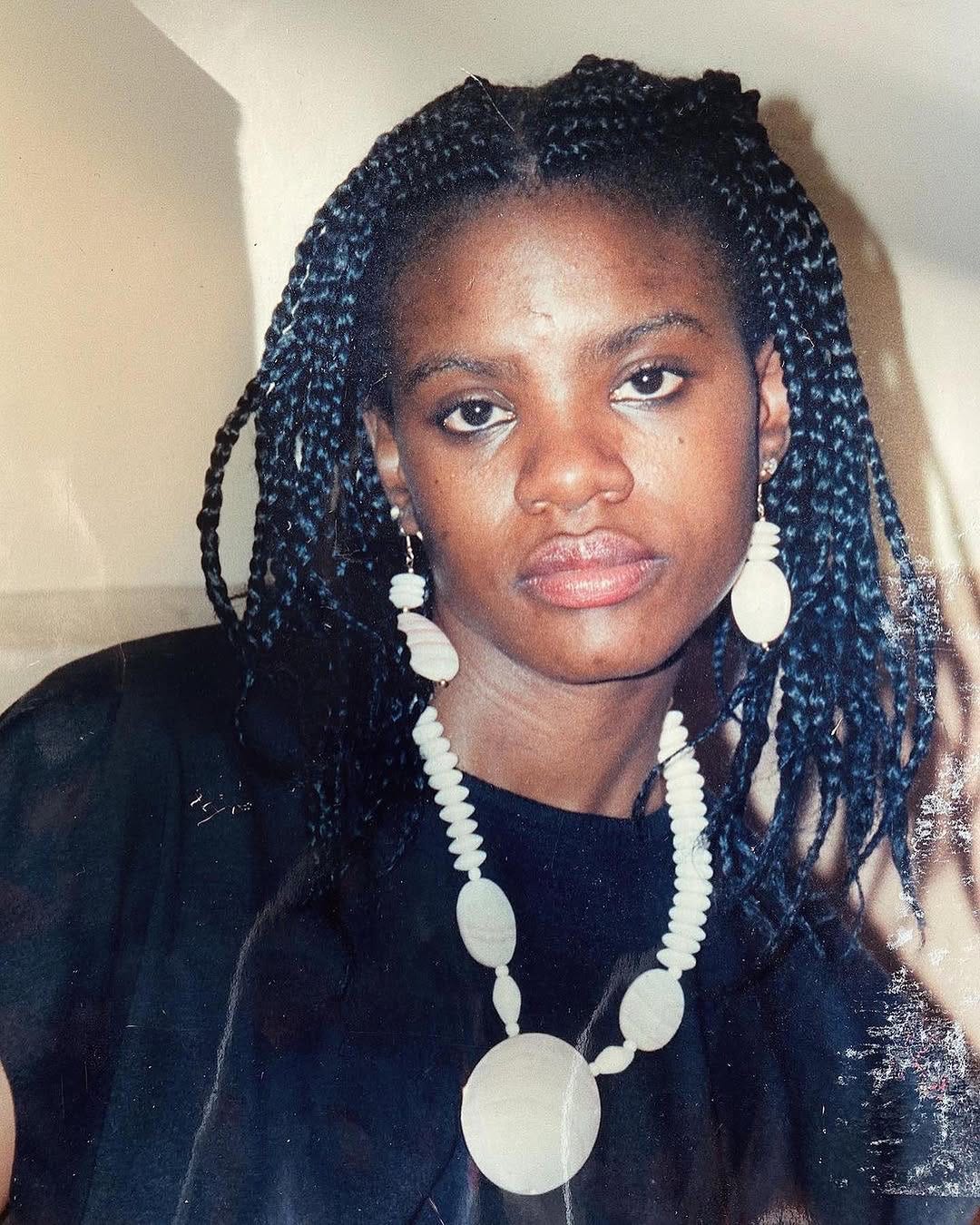
My mommy, Ms. Vivian to you, has been an educator and caretaker for decades. She first opened a daycare out of our townhouse and later expanded into a massive building with several state-of-the-art classrooms. All of this happened while I was in high school and there was an expectation on me to help. During weekends, summers, and university breaks, when I would’ve preferred to smoke weed and do laundry—I instead found myself in the infant room swaddling a widdle baby, reading to pre-schoolers, or wrangling toddlers. Moving between noise and need and learning to anticipate hunger, tantrums, sticky fingers reaching for you.
With a Virgo moon in my 4th house, many astrologers would say I’m cosmically aligned with the concepts of home, caregiving, roots, ancestors, and analytical motherhood. Maybe it’s bullshit, but mothering has always felt second nature to me.
Being a mother, though? LOL. That is something I have always subtly resisted.
For years, I carried guilt about not giving my mommy grandchildren. When I finally confronted her about it, well in my thirties, she shocked me with an anecdotal response. She reminded me of a conversation we had when I was barely 18-years-old. I sat at the edge of her bed and gently explained to her that the world was overpopulated and that I therefore would not be having children. I don’t remember the exact moment, but I do recognize that conviction still sitting in my gut.
It was also the era of elective high-school gender studies courses, the Gore/Bush election, growing out my childhood hair relaxer, becoming self-righteous, starting one of many vegetarian journeys, and deciding I would study environmental journalism. I was just beginning to learn the language of autonomy and choice while slowly refusing many of the expectations that had been handed down to me about womanhood.
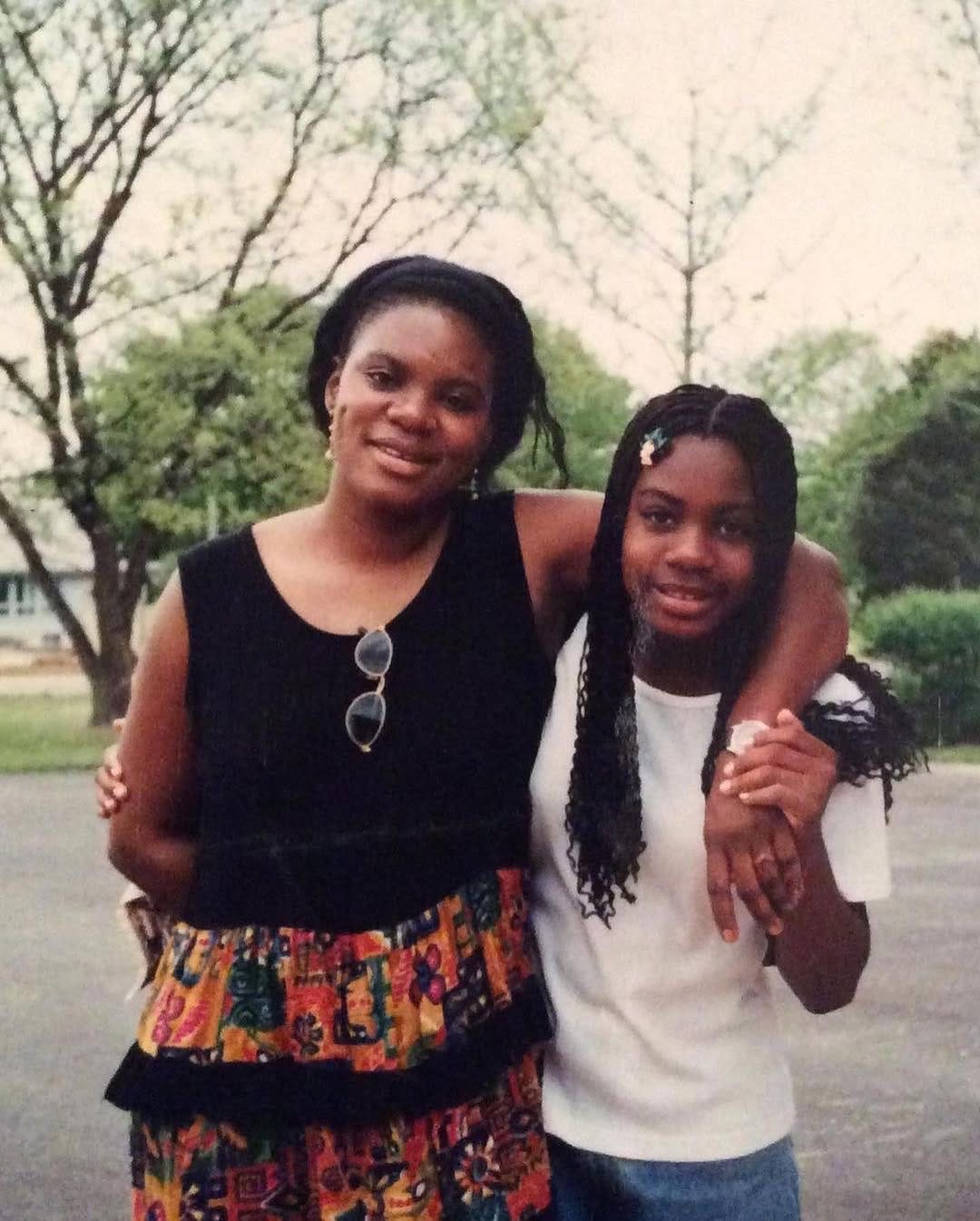
I think my body has understood boundaries more instinctively than my mind at times could articulate.
For 28 years, I’ve been subconsciously dodging pregnancy.
In this way sex, too, has always been negotiated on those terms. Pleasure centered, but the undercurrent of my body always resists certain forms of intimacy: specifically insemination. I have a slight adverse effect to it that always throws off my PH, no matter how healthy and alkaline I am. This substance of the human body, meant to be regenerative and create life, feels invasive when inside of me.
And so motherhood, both practically and psychologically, has never been something I actively pursued. Yes, I have imagined it, flirted with the idea briefly, experimented with it within the safety of partnership and inside the fixed architecture of what a life is supposed to look like when you are a woman who is married and has things going for you.
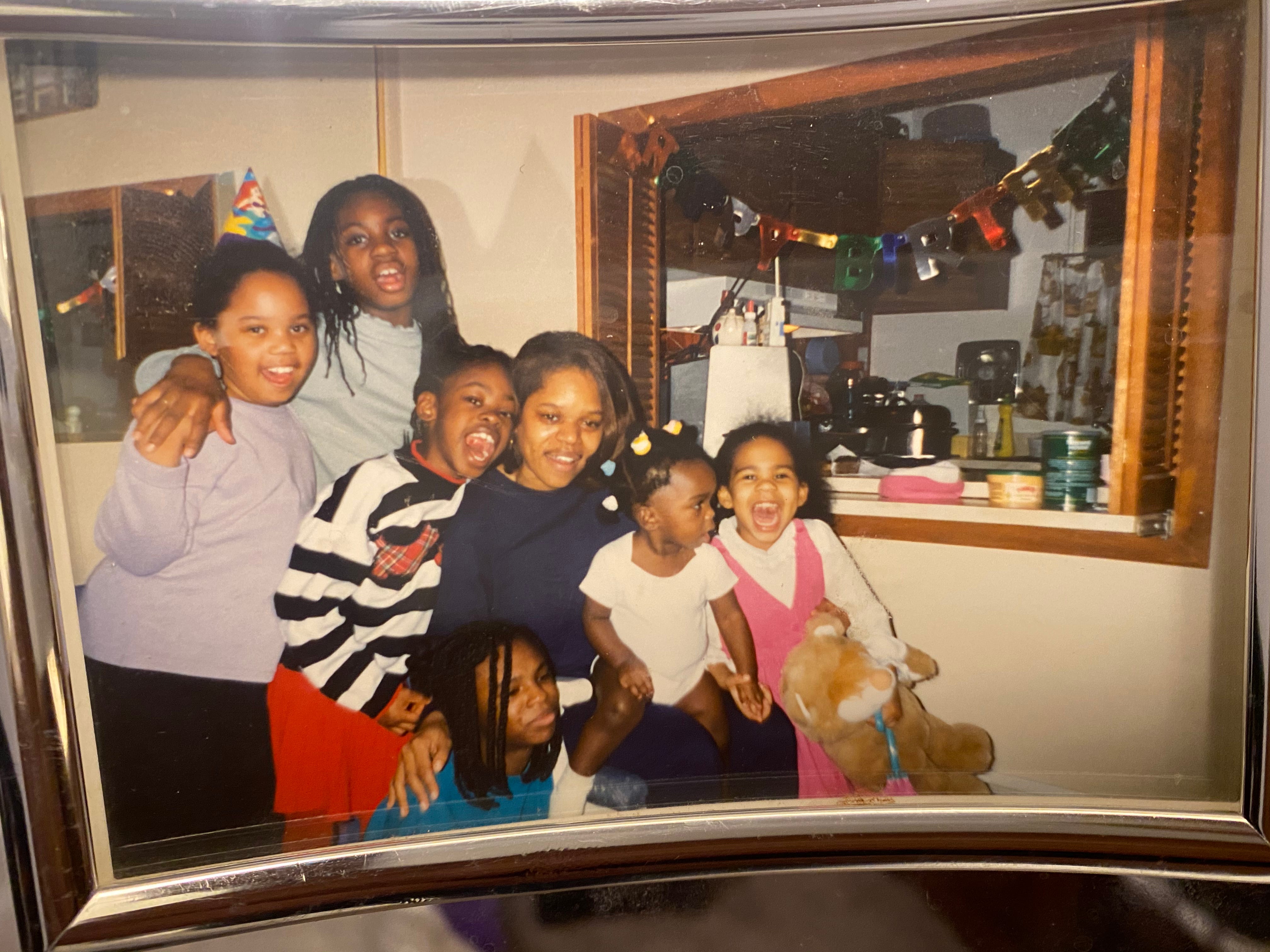
If I’m completely honest and transparent, a part of me has spent years terrified of becoming a mother because of witnessing my mother. She was soft with us, never cruel. Don’t get me wrong, she did whip that ass yet she was always open-minded. She raised four girls largely on her own while running businesses, caregiving, surviving immigration, surviving men, surviving exhaustion. I’d sometimes watch motherhood demand everything from her and her body, her sleep, her nervous system, her softness, her coin, her freedom!
She made motherhood look possible. Sometimes even elegant. She also made it look hard.
And I think some part of my body understood very early that love and sacrifice had become fused together in womanhood in a way that frightened me.
That fear also shows up in the act of “trying.” Timed sex. Intentional insemination. All of it can feel forced and mechanical, deeply unromantic, and almost clinical to me. The thought of it hours later, trickling down my inner thighs and reminding me that I could be responsible for a life, and eventually also tethered to how that life might be shaped by my own imperfections.
This was not my purpose y’all. This was pressure that was supposed to be my pleasure.
A lover once framed having children as life’s “second purpose.” But do we only have to live lives of purpose? Isn’t the act of being alive—of choosing to stay alive—already enough? With the weight of living in what feels like a Margaret Atwood novel, people with wombs are made to feel like our only contribution to this world is to procreate. To save a world that no longer seems to want us. And to do it despite the growing pregnancy death rates, especially for pregnant Black bodies? It all feels even more diabolical to me.
There are many who ask if I want children and, when I pause not knowing how to answer anymore, they immediately begin telling me stories about someone’s cousin or ex-boyfriend’s sister who got pregnant at 43. Trust me, I love these stories, but I’m always struck by the assumption underneath them: that everyone secretly still wants to have kids. Some of us are quietly relieved by the possibility of never having them.
So these last 5 years have involved therapy and active journaling and asking myself questions. What happens to the instinct to nurture when it isn’t directed toward offspring, but outward. Or better yet, inward?
Cooking, researching, and growing plants, fundraising, growing weed, growing closeness and intimacy, advocating for human rights, crafting words and ideas and businesses and brands. These have become my forms of non-reproductive creation. Yes, all the empowered girlies over 35 say this. But these are my real lifelong practices of care.
And in my ‘lil homework sessions, I’m becoming more open to the idea that nurture and care does not require a human legacy to be valid. What the fuck is legacy anyway? If motherhood is often framed as the ultimate act of care and selflessness, then what interests me is this:
what does care look like when it is not tied to sacrifice? What if it’s just attention? The who and what chosen daily, in small, repeatable, nurturing ways? The things and people we return to with unconditional love.
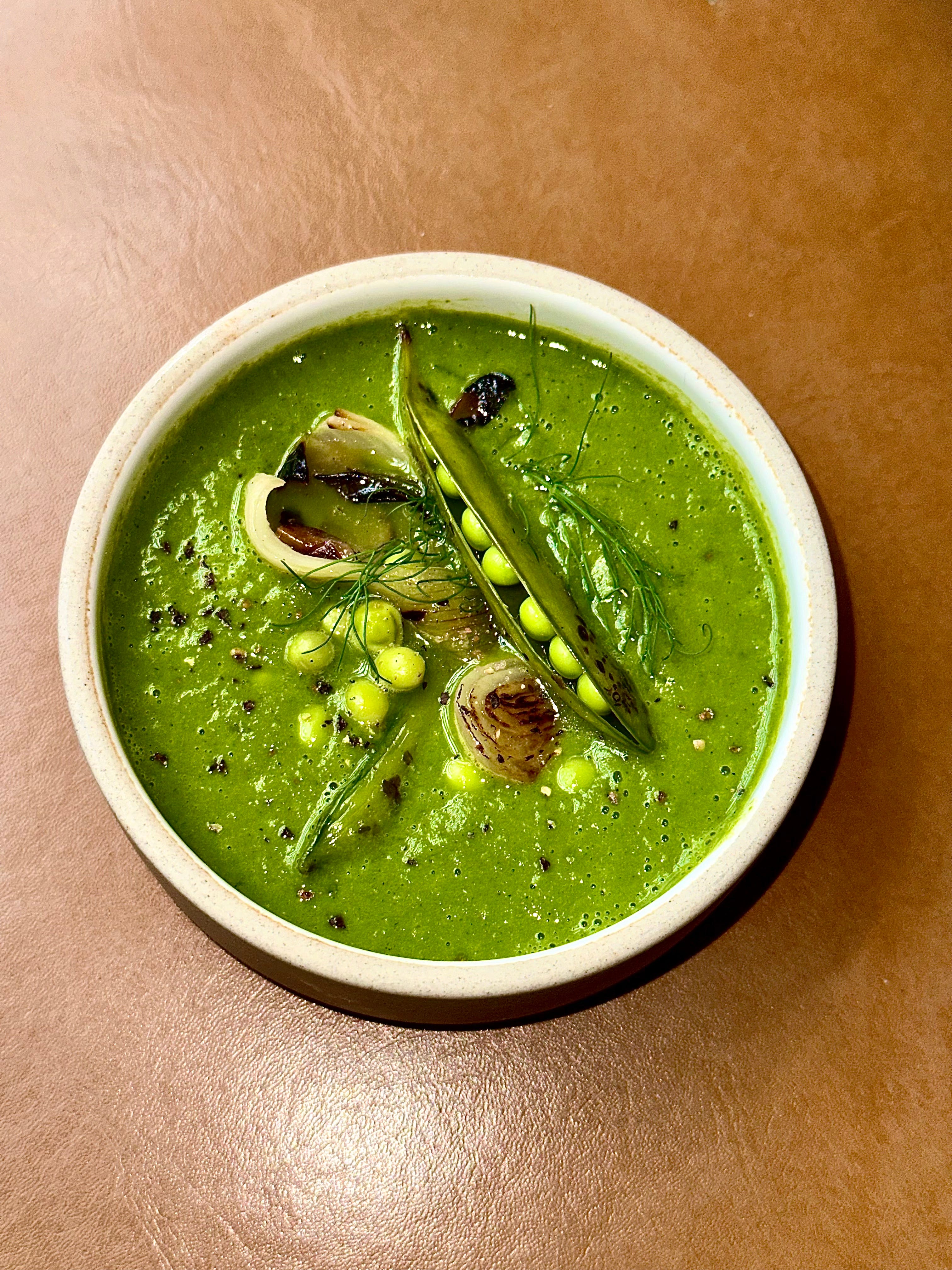
The Recipes —
Anotherhood Spring Broth & Gazpacho
Yield: 4 servings
Cooking Time: 45 minutes
Active Time: 15 minutes
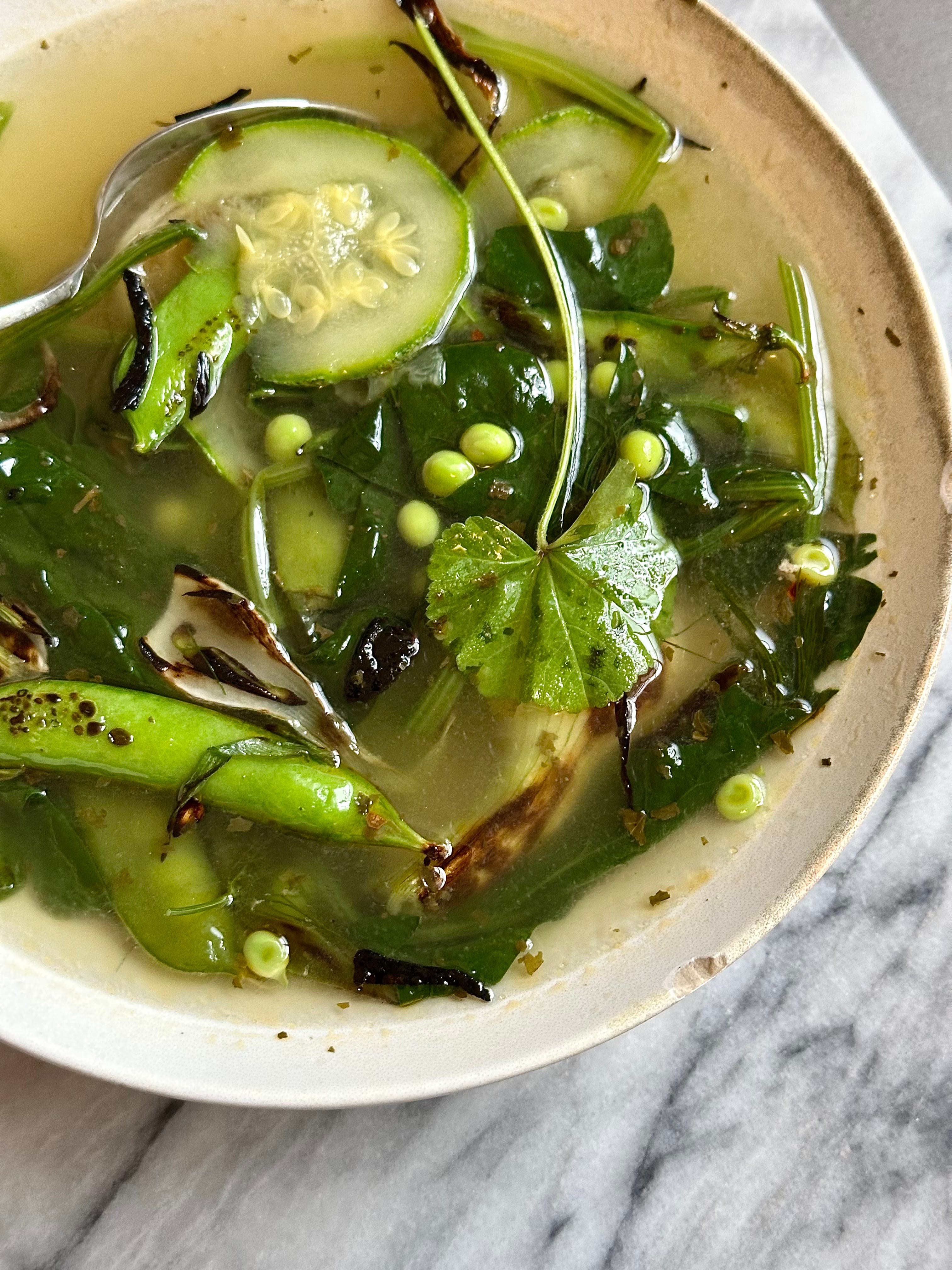
Across both ancients methods of Traditional Chinese Medicine (TCM) and Traditional African Medicine (TAM), there is a shared understanding that the body does not thrive in shock. From cold or from trauma. It thrived from heat and room temperature food that turned into energy, from energy to blood, and from blood to vitality.
What you need:
